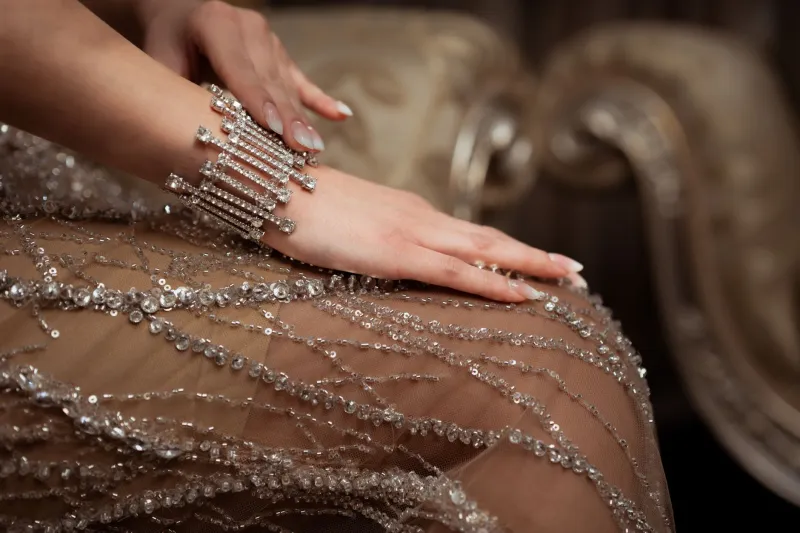
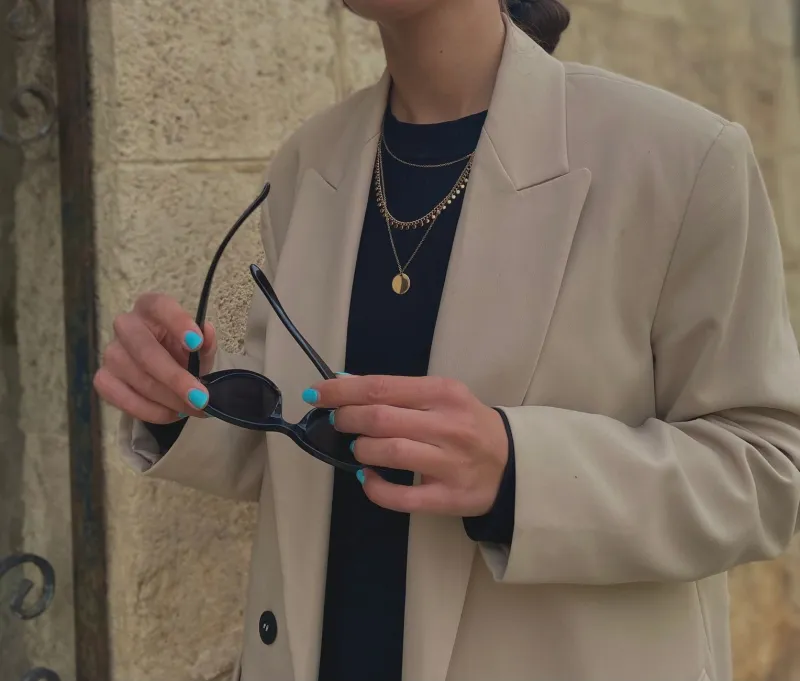
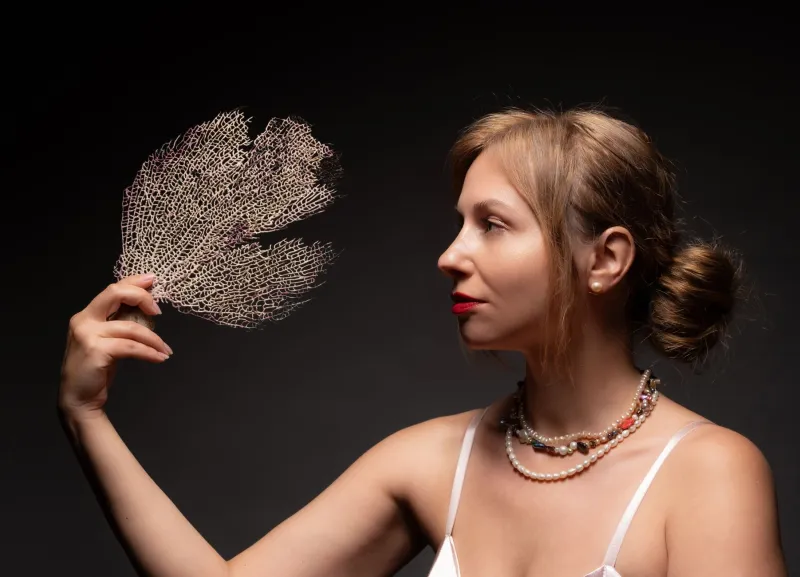
Locked Away in Velvet: Breaking the Psychological Barrier Between You and Your Finest Jewelry
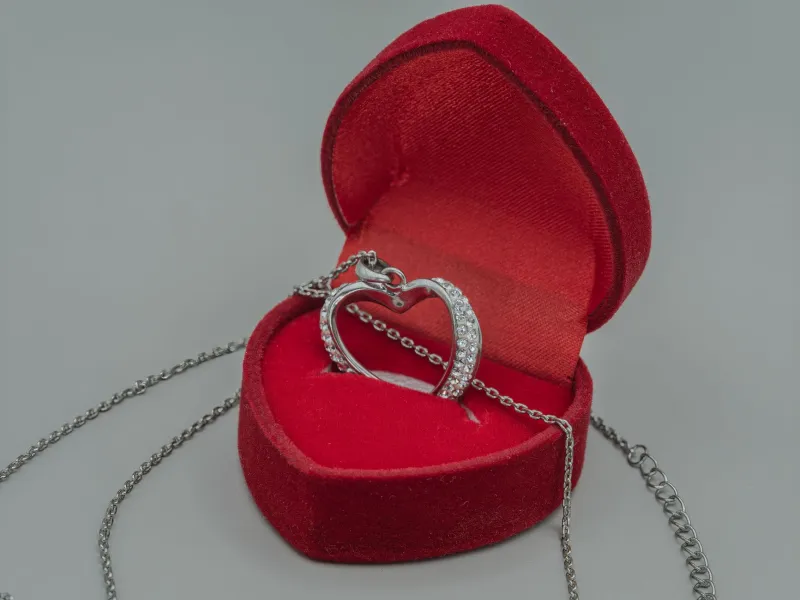
There is a particular kind of irony that visits nearly every serious jewelry collector at some point. The piece that commanded the greatest financial sacrifice — the one researched for months, acquired with ceremony, and received with genuine elation — is also the one most likely to spend the majority of its existence resting inside a drawer. Unworn. Untouched. Waiting for an occasion that, by some quiet consensus, never quite arrives.
This is not a niche experience. It is, in fact, one of the most quietly widespread phenomena in the world of fine jewelry ownership. And it deserves a candid, unhurried examination.
The Anxiety of Ownership
When a piece of jewelry crosses a certain threshold — whether in monetary value, sentimental weight, or both — something shifts in the owner's relationship to it. What was once an object of desire becomes an object of responsibility. The pleasure of acquisition gives way, slowly, to the pressure of stewardship.
Psychologists who study consumer behavior have long noted that high-value possessions tend to generate what researchers call "loss aversion amplification" — the higher the perceived value, the greater the psychological cost of imagined damage or loss. In practical terms, this means that a diamond pendant worth several thousand dollars doesn't just feel more precious than a costume piece; it feels dangerous to wear. Every crowded restaurant, every taxi door, every casual embrace becomes a potential threat.
The result is a kind of self-imposed exile. The piece is protected so thoroughly from the world that it is effectively removed from life itself.
Investment Framing and Its Unintended Consequences
The rise of fine jewelry as a recognized asset class has, paradoxically, contributed to this problem. As collectors have grown more sophisticated about the financial dimensions of their acquisitions — understanding resale value, tracking gemstone market trends, considering provenance — many have unconsciously begun treating wearable jewelry with the same detachment one might apply to a painting stored in a climate-controlled vault.
This framing is not without merit. A well-chosen piece of fine jewelry can indeed hold or appreciate in value over time. But the investment lens, when applied too rigidly, strips the object of its fundamental purpose. Jewelry is not a stock certificate. It was designed to be worn against skin, to catch light in motion, to complete an ensemble and carry meaning through the world.
When financial logic overrides the sensory and emotional dimensions of ownership, the collector is left with something curious: an expensive possession that brings almost no daily pleasure.
The Occasion Trap
Another mechanism worth examining is what might be called the occasion trap — the habitual deferral of fine jewelry to events worthy of its presence. The gala. The anniversary dinner. The milestone birthday. The problem, of course, is that life does not reliably produce galas on a schedule that justifies the continued postponement of joy.
American culture, in particular, has a complicated relationship with visible displays of personal luxury. There exists a subtle social pressure to contextualize fine jewelry within formal or celebratory settings — as though wearing a significant piece to a Tuesday lunch might seem presumptuous, or invite unwanted attention. This cultural undercurrent reinforces the occasion trap and keeps genuinely beautiful objects in their boxes far longer than necessary.
The irony deepens when one considers that jewelry, unlike many luxury goods, actually benefits from regular wear. Metals develop a subtle patina with use. Pieces that are worn regularly are also inspected more frequently, meaning minor issues — a loosening prong, a slightly worn clasp — are caught early rather than discovered after years of neglect.
Reframing the Relationship
Breaking the psychological barrier between collector and collection requires a deliberate shift in how one conceptualizes fine jewelry ownership. Several approaches have proven effective for those willing to examine their habits honestly.
Wear hierarchy recalibration. Most collectors operate with an implicit hierarchy in which everyday pieces occupy the bottom tier and significant acquisitions sit at the top, rarely descending. A useful exercise involves consciously inverting this logic on a trial basis — selecting the most meaningful piece you own and committing to wearing it for one ordinary week. The experience often reveals that the feared catastrophe never materializes, and that the pleasure of daily wear is both real and sustainable.
Insurance as permission. One of the most practical steps an American collector can take is ensuring that significant jewelry pieces are properly covered under a scheduled personal property endorsement or a dedicated jewelry insurance policy. Providers such as Jewelers Mutual offer policies specifically designed for fine jewelry, and knowing that a piece is insured against loss, theft, and accidental damage removes one of the most concrete sources of wearing anxiety. Insurance does not diminish the value of a piece; it restores the freedom to actually enjoy it.
Occasion expansion. Rather than reserving fine jewelry for formal events, consider expanding your personal definition of what constitutes an appropriate occasion. A significant piece worn to a museum visit, a gallery opening, or even a particularly meaningful workday is not being squandered — it is being lived with. The jewelry accumulates the very experiences and associations that give it depth beyond its material value.
Professional maintenance as ritual. Establishing a relationship with a trusted jeweler for annual cleaning and inspection transforms maintenance from a chore into a ritual of engagement. When a piece is regularly examined by skilled hands, the owner develops a more grounded, less anxious relationship with its physical reality.
The Deeper Question
At its core, the paradox of the unwearable expensive piece is a question about what luxury actually means to you. If a piece's primary function is to represent financial prudence or to serve as a stored form of value, then keeping it in a drawer is internally consistent — if somewhat joyless. But if luxury means the daily experience of beauty, the quiet confidence of wearing something genuinely exceptional, and the accumulation of a life's worth of memories attached to a single object, then the drawer represents a genuine loss.
Fine jewelry was never designed to be a spectator sport. The craftspeople who set stones with painstaking precision, who hammer metal into forms of breathtaking delicacy, who source gemstones from the earth's most remote corners — they did not envision their work resting in darkness.
The most sophisticated relationship a collector can develop with their finest pieces is one of trust: trust in the durability of well-made jewelry, trust in the adequacy of proper insurance and care, and trust that wearing something beautiful on an unremarkable Wednesday is not a waste — it is, in fact, exactly the point.