Stack, Layer, Elevate: A Stylist's Playbook for Wearing Multiple Jewelry Pieces at Once
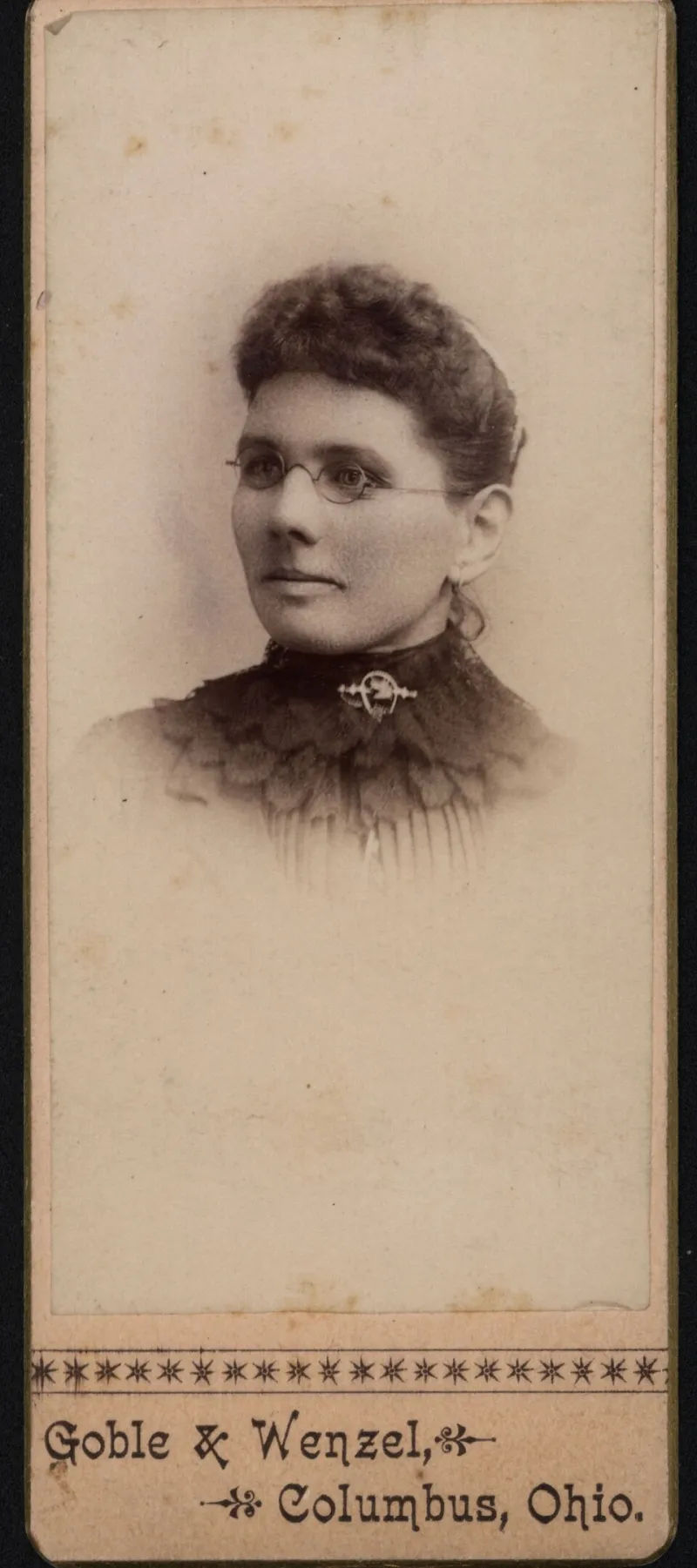
Photo: , Public domain, via Wikimedia Commons
There is a reason certain women walk into a room and their jewelry appears to have been arranged by an invisible hand—effortless, cohesive, and quietly commanding. What looks like spontaneity is almost always the result of deliberate choices: a studied understanding of proportion, metal harmony, and visual weight. Layering fine jewelry is one of the most rewarding styling skills a person can develop, and once the underlying logic clicks, the possibilities become nearly limitless.
At BijOnline, we curate pieces with exactly this kind of versatility in mind. Whether you are building your first layered necklace stack or refining a wrist combination you have worn for years, the following guide offers a structured approach to combining fine jewelry with confidence.
Understanding the Foundation: Why Layering Works
Layering jewelry functions on the same visual principles as fashion itself—contrast, rhythm, and focal point. When multiple pieces work together, they create a narrative across the body: the eye moves naturally from one element to the next without confusion or competition. When they clash, the result feels busy, and individual pieces lose their impact.
The first rule professional stylists apply is deceptively simple: anchor your look with one statement piece, then build outward. That anchor might be a bold pendant necklace, a sculptural cuff, or a ring with a significant stone. Everything else should complement rather than compete with it.
Mixing Metals: The Old Rule Is Gone
For decades, conventional wisdom insisted that gold and silver should never share the same outfit. That era is firmly over. Today, mixed-metal styling is not only accepted—it is actively sought after by designers and tastemakers alike.
The key is intentionality. Mixing metals successfully requires at least one piece that bridges the two tones. Rose gold, for example, sits comfortably beside both yellow gold and cool silver, making it an excellent transitional element. Two-tone pieces—rings or bracelets that incorporate both yellow gold and white gold in a single design—serve the same bridging function.
When combining metals on the neck, keep the overall palette to two, perhaps three, tones. A yellow gold herringbone chain paired with a thin silver satellite chain reads as curated. Adding a third chain in rose gold can work if the pieces share a similar weight and finish, but the margin for error narrows quickly.
Celebrity stylist choices offer useful real-world reference points. Zoë Kravitz has long been photographed in layered gold chains of varying thickness alongside silver rings, always anchored by one dominant piece—typically a substantial ear cuff or a pendant that draws the eye upward. Hailey Bieber, conversely, tends toward a more monochromatic approach, stacking multiple yellow gold necklaces of varying lengths before introducing a subtle diamond detail. Both approaches are deliberate, and both demonstrate that the goal is harmony, not uniformity.
Proportioning Chain Lengths: The Cascade Principle
Nothing disrupts a layered necklace look more effectively than chains that bunch together at the same length. Professional stylists rely on what is informally called the cascade principle: each chain in a stack should differ from its neighbor by at least one to two inches.
A practical starting point for a three-necklace stack:
- 14–16 inches: A choker or close-fitting chain that rests at the base of the neck. Delicate styles—thin gold chains, small pearl strands, or a simple diamond solitaire pendant—work beautifully here.
- 18 inches: The mid-layer, which typically falls at or just above the collarbone. This is where a pendant with moderate visual weight earns its place.
- 22–24 inches: The longest layer, which draws the eye downward and adds depth. Longer chains benefit from a more substantial design—a lariat, a larger charm, or a chain with textural variation such as a paperclip or figaro link.
Neckline matters enormously. A deep V-neck calls for at least one long pendant that follows the neckline's angle. A crew neck or turtleneck shifts attention upward, making choker-length pieces and ear jewelry the primary focus.
Balancing Delicate and Statement Pieces
One of the most common layering mistakes is combining pieces of equal visual weight. When every element in a stack demands the same level of attention, the eye has nowhere to rest, and the overall effect feels overwhelming.
The corrective approach is to vary the visual weight deliberately: pair one statement piece with two or three understated companions. A bold gemstone pendant necklace, for instance, is best flanked by gossamer-thin chains that add texture without competing. A chunky gold chain bracelet reads most elegantly when the rings on the same hand are slim and simple.
This principle extends to earrings as well. If you are wearing a layered necklace stack, dramatic chandelier earrings will fight for visual dominance. A small stud or a single ear cuff allows the neck to remain the focal point. Conversely, if your neckline is bare or your necklace is minimal, substantial earrings become the statement.
Incorporating Gemstones Strategically
Color introduces another layer of complexity—and opportunity. Gemstones can either unify a layered look or fracture it, depending on how they are distributed.
The most reliable approach is the repetition rule: if a gemstone color appears in one piece, echo it somewhere else in the look, even subtly. A necklace featuring a deep sapphire pendant pairs beautifully with a ring that holds a small sapphire accent, even if the two pieces are entirely different in scale. This repetition creates visual cohesion without requiring a matching set.
Neutral stones—diamonds, white topaz, pearls, and clear quartz—function as jewelry's equivalent of a neutral wardrobe staple. They integrate seamlessly into nearly any combination and can serve as the connective tissue between bolder colored pieces.
For those newer to gemstone layering, beginning with a single color family and varying the saturation is a low-risk starting point. Pairing a deep emerald pendant with a lighter green tourmaline ring creates tonal interest without introducing color conflict.
Building Your Personal Layering Vocabulary
Ultimately, the most successful layered looks are those that reflect a consistent personal aesthetic rather than a rigid formula. Start by identifying two or three pieces from your current collection that you wear most often—these are likely your anchors. Then consider what lengths, metals, and textures are missing from the equation.
At BijOnline, our curated collections are organized with layering versatility in mind. Each product page notes the piece's length, metal finish, and suggested pairings, making it easier to build combinations with confidence before they arrive at your door.
Layering fine jewelry is not about wearing more—it is about wearing smarter. With the right proportions, a considered mix of metals, and a clear focal point, even three or four pieces can feel as refined as a single well-chosen strand.