The Protected Collection: A Serious Collector's Complete Guide to Insuring Fine Jewelry
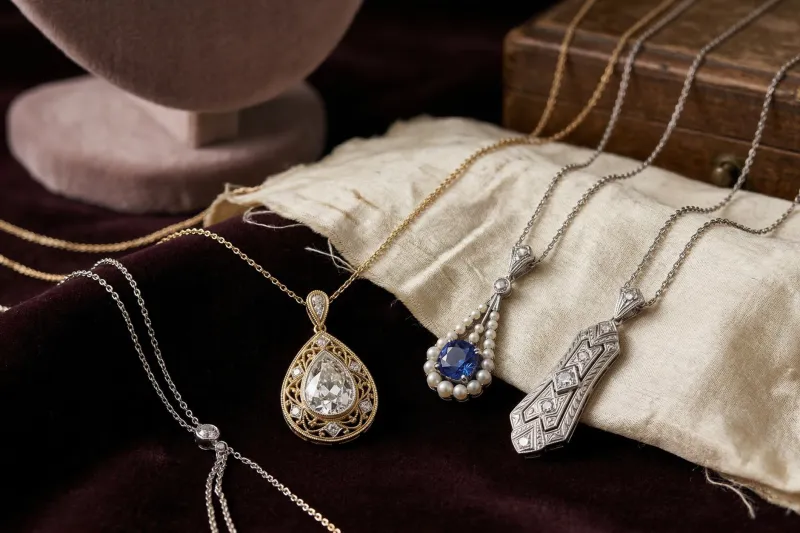
There is an uncomfortable truth that many jewelry collectors prefer not to examine too closely: the pieces they treasure most are also among the most vulnerable objects they own. A diamond pendant can disappear during a vacation. A vintage ring can be damaged in a moment of inattention. An entire jewelry box can vanish in the aftermath of a home break-in. And yet, for all the care that discerning collectors devote to selecting, wearing, and storing their pieces, insurance is frequently treated as an afterthought — a policy purchased hastily and filed away without further consideration.
This approach, however understandable, represents a significant gap in an otherwise thoughtful stewardship practice. For serious collectors, the question of protection deserves the same deliberation that governs acquisition itself.
Why Standard Homeowners Coverage Is Almost Never Enough
Many Americans assume that their homeowners or renters insurance policy provides meaningful coverage for fine jewelry. In practice, the protection offered is often startlingly limited. Most standard policies cap jewelry coverage at $1,000 to $2,000 in total — a figure that may not cover a single quality piece, let alone a curated collection.
Furthermore, standard policies typically exclude losses from mysterious disappearance (the technical term for a piece that simply cannot be located), accidental damage, and loss occurring outside the home. For a collector who travels with jewelry — which is to say, virtually every active collector — these exclusions represent substantial uninsured exposure.
The appropriate solution for any collection of meaningful value is a standalone jewelry floater or a dedicated personal articles policy, obtained either as a rider on an existing homeowners policy or as an independent product from a specialty insurer. Companies such as Jewelers Mutual, Chubb, and Berkley One have developed products specifically designed for fine jewelry, with coverage terms that reflect the genuine complexity of the category.
The Appraisal Foundation: Documentation as a Form of Respect
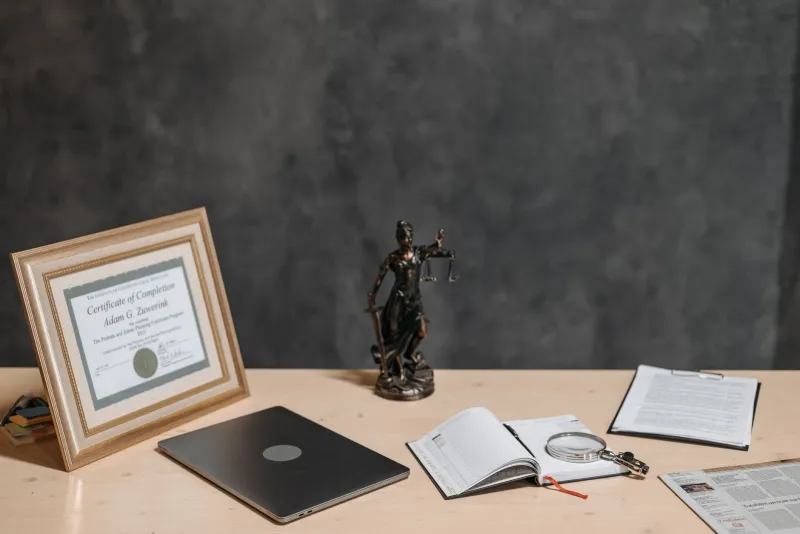
No insurance strategy is more reliable than the documentation that underlies it. Before any policy can be written — and before any claim can be successfully filed — each piece in a collection must be professionally appraised by a credentialed gemologist. In the United States, the most widely recognized credential is the Graduate Gemologist (GG) designation from the Gemological Institute of America, though appraisers certified by the American Society of Jewelry Appraisers are equally respected.
A proper appraisal does far more than assign a replacement value. It creates a formal record of a piece's physical characteristics: the weight and dimensions of the metal, the quality grades and measurements of any stones, the details of the setting and construction, and any distinguishing features that make the piece identifiable. This documentation is, in the event of a loss, the difference between a claim that is settled promptly and one that becomes a protracted dispute.
Collectors should plan to have their pieces reappraised every three to five years. The fine jewelry market is not static — gemstone prices fluctuate, and the replacement cost of a piece acquired a decade ago may bear little resemblance to what it would cost to reproduce today. Policies written against outdated appraisals leave collectors meaningfully underinsured.
Photography, Records, and the Digital Archive
Beyond formal appraisals, a rigorous documentation practice includes high-resolution photography of each piece — ideally captured against a neutral background, from multiple angles, with a scale reference included. These images should be stored in at least two locations: a secure cloud-based archive and a physical backup kept outside the home, such as a safe deposit box.
Collectors should also maintain a written inventory that records, for each piece: the date of acquisition, the purchase price, the name of the seller or auction house, any available provenance documentation, and the current appraised value. If a piece came with a grading report from the GIA or another recognized laboratory, that report should be stored alongside the inventory record.
This level of documentation may seem excessive until the moment it is needed. At that point, it becomes invaluable — not only for insurance purposes, but for estate planning, resale, and the eventual transfer of pieces to the next generation.
Understanding What You Are Actually Protecting
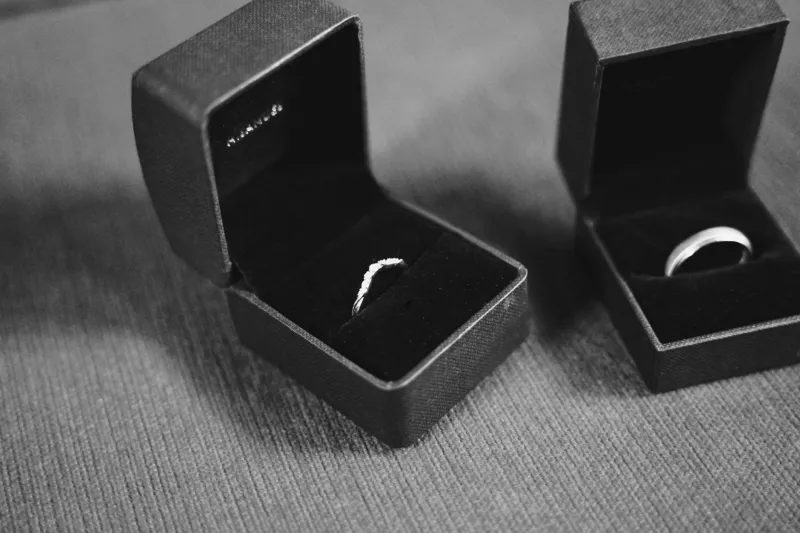
A conversation about jewelry insurance that addresses only the financial dimension misses something essential. For serious collectors, the true value of many pieces cannot be fully captured by a replacement cost figure. The vintage Art Deco bracelet acquired at a small auction house in Charleston. The pearl strand worn by a grandmother on her wedding day. The ring commissioned to mark a private milestone. These objects carry meaning that no insurer can replace and no appraisal can adequately quantify.
This is not an argument against insurance — quite the opposite. It is an argument for treating the insurance process as an act of genuine care rather than a bureaucratic obligation. When a collector sits down with a gemologist to document a beloved piece, when they photograph it carefully and file the images alongside a handwritten note about its provenance, they are doing something more than protecting a financial asset. They are acknowledging, in a formal and deliberate way, that this object matters.
That acknowledgment — the ritual of protection — has a way of deepening the relationship between a collector and their collection. It transforms passive ownership into active stewardship.
Selecting the Right Policy: Key Terms to Understand
When evaluating jewelry insurance policies, collectors should pay particular attention to several critical terms. Agreed value coverage means that in the event of a total loss, the insurer pays the full appraised value without depreciation — this is the preferred structure for fine jewelry. Replacement cost coverage, by contrast, may allow the insurer to replace a lost piece with a comparable item rather than paying cash, which can be problematic for vintage or one-of-a-kind pieces that cannot be replicated.
Collectors should also clarify whether their policy covers losses worldwide or only within the United States, whether there is a deductible and if so how it is structured, and whether the policy requires pieces to be stored in a specific type of safe when not in use. These details vary significantly between providers and can have material consequences at claim time.
The Review Ritual
Protecting a collection is not a task to be completed once and set aside. It is an ongoing practice. Each new acquisition should trigger an immediate update to the inventory and, if the piece is of sufficient value, a new appraisal. Each year, the entire policy should be reviewed against current appraised values to confirm that coverage remains adequate.
For collectors who approach their jewelry with the seriousness it deserves, this annual review need not feel burdensome. It is, instead, an opportunity — to spend time with each piece, to recall the circumstances of its acquisition, and to affirm, with deliberate intention, that it continues to belong in the collection. In that sense, the act of protecting a collection is also the act of truly knowing it.