Old Gold, New Story: A Practical Guide to Reimagining Heirloom and Vintage Jewelry for Modern Life
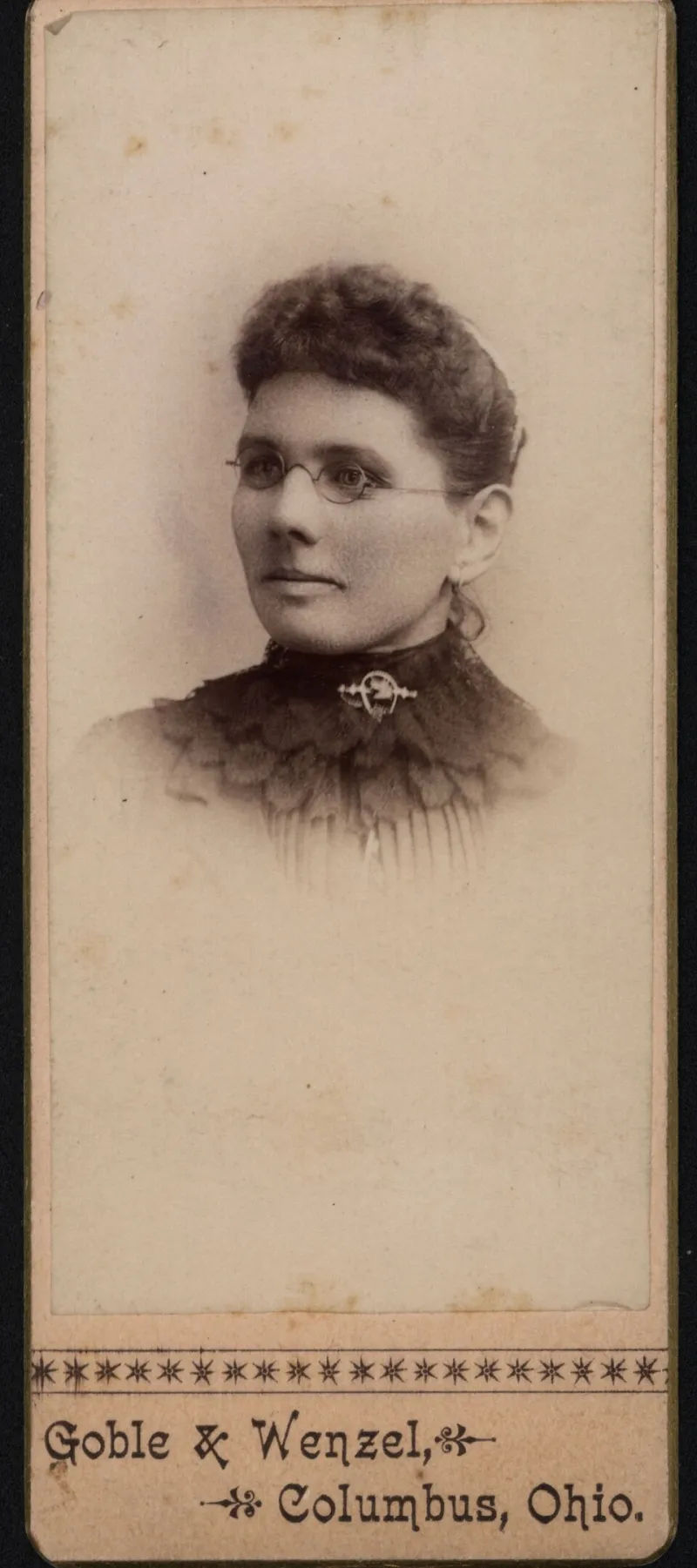
There is a particular kind of guilt that accompanies inherited jewelry. The brooch your grandmother wore to every Sunday dinner. The cocktail ring your mother received as an anniversary gift. The pearl strand that traveled across decades and family lines to land in your possession. These pieces carry weight — emotional, historical, sometimes literal — and yet they sit unworn, tucked into velvet boxes, because they simply do not fit the way you dress today.
You are not alone in this. Across the United States, millions of Americans possess inherited or vintage jewelry that they love in principle but struggle to incorporate into their lives. The good news is that this gap between sentiment and wearability is entirely bridgeable. The process of reimagining heirloom jewelry — through redesign, restyling, or creative recontextualization — is one of the most personally rewarding projects a jewelry lover can undertake.
Understanding What You Have Before You Change Anything
Before any transformation begins, take time to truly understand the pieces in your possession. This means more than admiring them aesthetically — it means learning their history, assessing their condition, and establishing their material value.
Start with a professional appraisal from a certified gemologist or a member of the American Society of Jewelry Appraisers. An appraisal will document the metal type and purity, identify any stones and their approximate quality grades, and provide a replacement value for insurance purposes. This step is non-negotiable before any redesign work begins, as it protects you from inadvertently altering a piece of significant monetary or historical value without full awareness.
Also invest time in the family history of the piece, if it is accessible. Knowing that a ring was purchased at a specific jeweler, or that a bracelet commemorated a particular occasion, may influence how far you wish to alter it — or whether you prefer to preserve it intact and simply learn to wear it differently.
The Spectrum of Transformation: From Subtle to Sweeping
Not every reimagining project requires a complete overhaul. The range of possibilities is broad, and the right approach depends on your aesthetic goals, the piece's condition, and the depth of its sentimental significance.
Minimal intervention might involve nothing more than professional cleaning and polishing, replacing a worn clasp, or re-stringing a pearl necklace with a more contemporary knotting style. These interventions restore wearability without altering the piece's essential character.
Moderate redesign could include converting a brooch into a pendant by adding a bail, resizing a ring to fit a different finger, or transforming a single clip-on earring — whose partner has been lost — into a pendant or charm. These modifications preserve the original metalwork and stones while dramatically improving day-to-day usability.
Significant transformation involves melting down metal, resetting stones, or entirely reimagining the design. This approach is best suited to pieces whose sentimental value resides in the materials themselves rather than in the specific form. A cluster of small diamonds from an outdated cocktail ring might become a sleek solitaire pendant. Yellow gold from a dated setting might be recast into a contemporary band. The stones and metal carry the memory forward; the design simply evolves.
Finding the Right Jeweler for a Custom Project
The success of any redesign project hinges on the relationship you build with your jeweler. This is not a transaction — it is a collaboration, and the stakes are both financial and emotional.
Seek out a bench jeweler or custom design specialist rather than a general retail associate. Bench jewelers work directly with metal and stone; they can assess structural integrity, advise on what is feasible, and execute work with precision. Ask to see examples of previous redesign or custom work, and do not hesitate to request references from past clients.
Communicate clearly about your intentions and your boundaries. If there are elements of a piece you wish to preserve — an engraving on the inside of a band, a specific stone placement, a particular patina — say so explicitly at the outset. A skilled jeweler will work around your parameters; a great one will find ways to honor them while achieving something genuinely beautiful.
Discuss cost transparency upfront. Custom redesign pricing varies considerably based on complexity, metal weight, and labor time. Request an itemized estimate before work begins, and establish a clear approval process for any design decisions made during the project.
Styling Reimagined Pieces in a Contemporary Wardrobe
Some heirloom pieces do not require structural redesign at all — they simply need to be worn differently. The modern jewelry aesthetic in the United States has moved decisively toward layering, mixing metals, and combining pieces of different eras in a single look. This cultural shift is enormously liberating for anyone with vintage jewelry to work with.
A Victorian-era mourning locket worn on a long chain alongside a minimalist gold bar necklace creates a layered look that feels intentional and current. A 1950s rhinestone clip-on earring, worn as a single statement piece against a plain blouse, reads as bold and directional. A wide Art Deco bangle paired with thin modern stackable rings bridges decades with ease.
The key is confidence and intentionality. Vintage and heirloom pieces often possess a craftsmanship and visual weight that contemporary mass-market jewelry cannot replicate. Rather than hiding that difference, lean into it. Allow the piece to be a conversation starter — because it almost certainly will be.
The Emotional Dimension of Reimagining
It is worth acknowledging that redesigning an heirloom can feel like a loaded decision, particularly when other family members may have feelings about the piece. If a piece was passed down through a family line, consider having an open conversation with relatives before making irreversible changes. For some families, the physical form of an heirloom carries as much meaning as the material itself. For others, what matters is that the piece continues to be loved and worn — in whatever form that takes.
Many people find that the act of redesigning an heirloom deepens rather than diminishes their connection to it. Wearing a ring that was reimagined from your grandmother's brooch creates a new layer of meaning — a dialogue between generations, expressed in gold and stone.
Preserving What Cannot Be Worn
Finally, for pieces that are too fragile, too historically significant, or too structurally compromised to wear safely, consider preservation and display as a form of honoring. A shadow box displaying a collection of vintage brooches alongside photographs of their original owners transforms jewelry into a curated family artifact. A professional jeweler can also create a high-quality replica of a piece — preserving the original in its current state while giving you a wearable version to enjoy daily.
At BijOnline, we believe that jewelry is most powerful when it is worn — when it participates in daily life rather than waiting in the dark. Whether you choose subtle restoration, bold transformation, or creative restyling, the goal is the same: to bring these beautiful objects back into the world, where they belong.